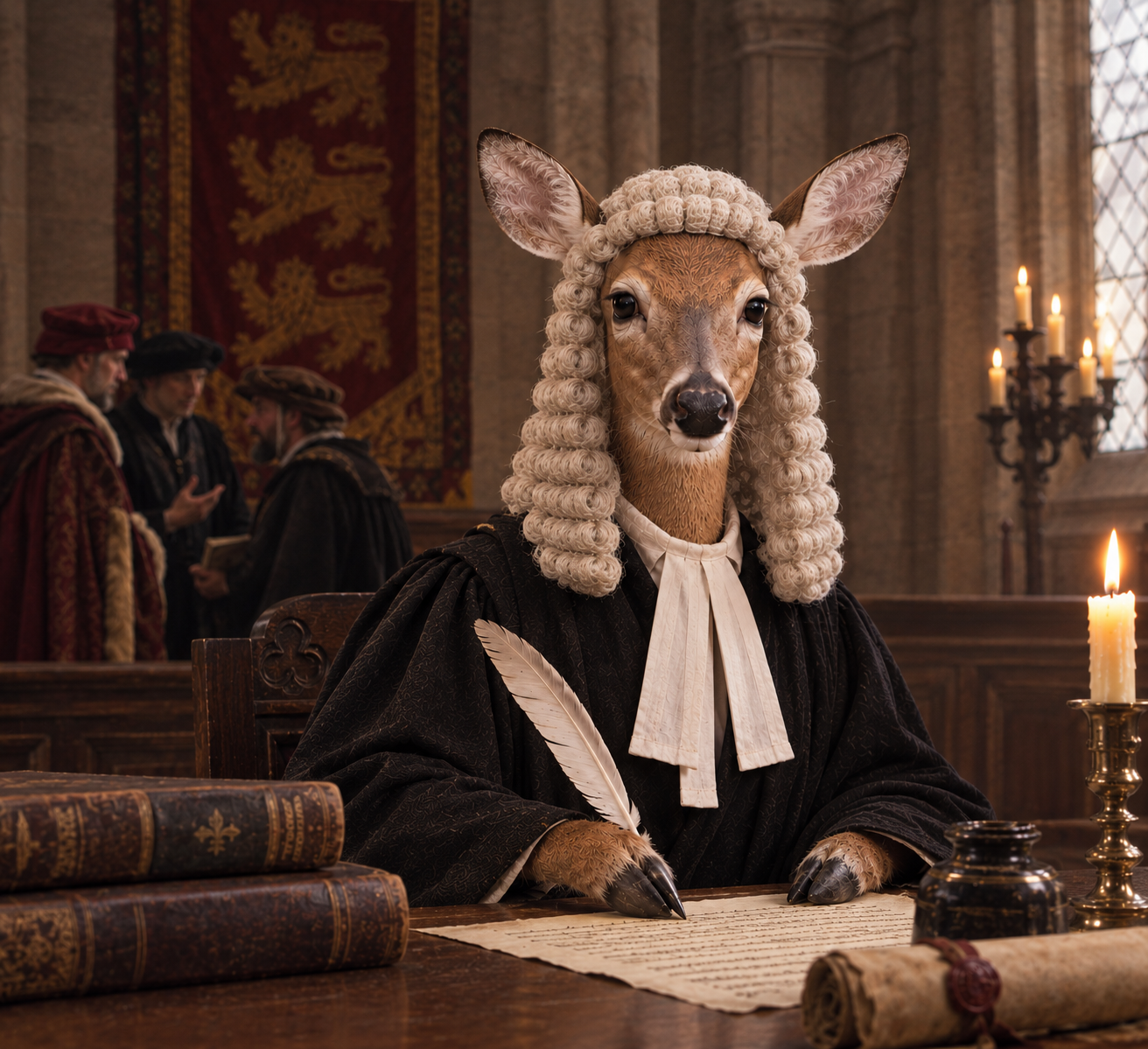
So Where did John Doe come from Anyway?
This question came up as I was setting up for work today.
As it turns out, “the earliest usage of the names can be traced back to 13th or 14th century England,” according to John Lupton, of the Illinois Supreme Court1.
John Doe is a fictitious name used in legal proceedings when the actual name of a party is unknown at the time a lawsuit is initiated. The designation may also be used to protect a plaintiff’s anonymity, though more commonly, it stands in for an unidentified defendant until the correct identity can be determined. - Cornell Law School
The Wikipedia entry is a bit more morbid:
John Doe (male), Jane Doe (female), or J. Doe (neutral/unknown) are multiple-use placeholder names that are used in the British, Canadian, and American legal systems, when the true name of a person is unknown or is being intentionally concealed. In the context of law enforcement in the United States, such names are often used to refer to a corpse whose identity is unknown or cannot be confirmed.
When going back to the old English texts, it appears that John Doe often make appearance next to Richard Roe, which you might heard of — Richard Roe being the state, or the “people” who would usually sue the other party, John Doe.
“It is unknown why the names John Doe and Richard Roe were coined in England,” says Lupton.
John and Richard were probably the most common names in Britain at the time, and Jane was a name similar to John (instead of using Mary or Elizabeth, which were probably the most common names). To maintain the fiction, the British would not use names that were common, like John Smith or Robert Jones because that would be confusing to the many Brits who likely had those names.
So there you go, another random fact.