
Any radio station that has this sort of image featuring its programming is going to have me listen to it.
In this case, WFMU, a nutty station from NJ, because of course.
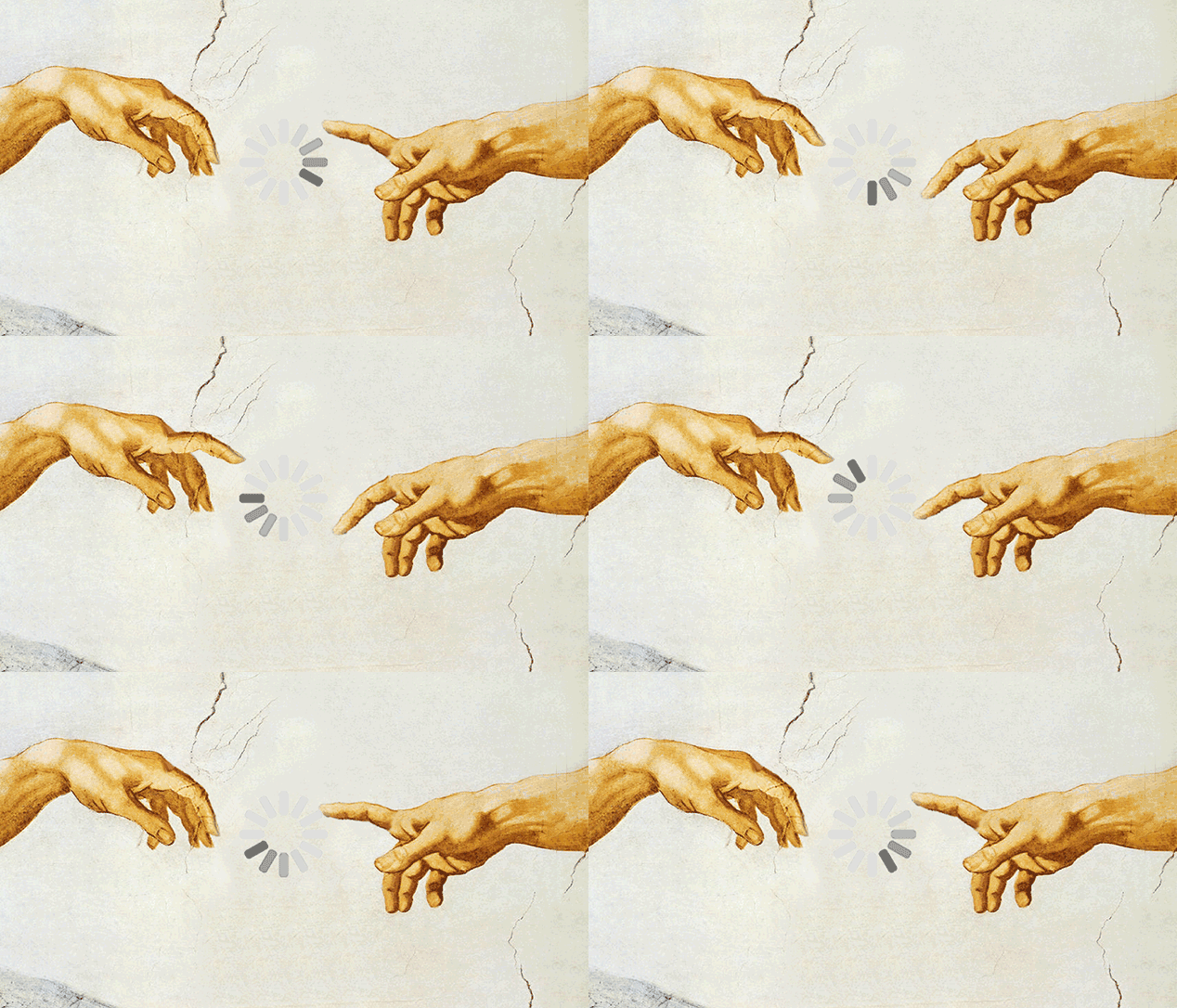
I’m trying to figure out who made this image for them. If you have an idea, let me know.
I’m confused about this (not sure I’m the only one):
The left parties won the election in France, it seems like, and now Macron needs to work with them – I thought he was on the left as well? Anyone has a 101 on French politics and can explain it in bullet points 😅
Macron, who has vowed to remain in office until his term ends in 2027, now faces the challenge of cobbling together a government from a disparate group of parties that have little in common besides their desire to keep the far-right out of power. That scramble will unfold with less than three weeks to go before Paris hosts the 2024 Summer Olympics.
www.wsj.com/world/europe/french-election-results-2024-4fc64d09?mod=hp_lead_pos1 wsj.com
#france #macron #politics
Pacific Drive (2024) - ★★★★

Pacific Drive is what would happen if Herbie and Subnautica had a child. In fact, I don’t think I’ve seen this particular blend of survival-suspense-story mix in a game since Subnautica, and that’s saying a lot.
Instead of a submarine, you drive a station wagon. Instead of aliens underwater, you encountered anomalies on the road. The idea is similar: scan objects, research, get materials, and upgrade. But the mechanics of the game revolve heavily around your car, which you can upgrade (and fix), and the sci-fi story is more engaging with good voice acting.
As a person who got his driving license around the same time the game takes place, the long solitary drives bring back memories, especially with the excellent soundtrack, played as stations on the radio. These fun runs can quickly turn into suspenseful moments, especially during the night. The game also messes with your head with all kind of quirks, and I found myself wondering if i was encountering a bug in game or something planned more than once.
For those who seek challenges, there’s plenty here. Too many, in fact, so I had to tune some of them down. For example, the game won’t let you save mid-drive, and if you quit, you lose all of the stuff you collected. I can understand this as a difficulty option, but this is an unfair punishment if you have to quit the game on a long mission, which can take 2 hours or more.
It’s too bad the game doesn’t have official Linux support, as I believe this game was built for a certain kind of Linux geeks, but it seems to work OK with Linux (or Mac) with Proton enabled. If you’re a sci-fi person who likes suspenseful games with a dosage of crafting, don’t pass this one up. You won’t regret it.
Thoughts about AI and art
We sat across each other at a local bar with good beer, good sandwiches and good spirits. I wanted to talk to Nat about AI and how I use it in my more creative endeavors, where I have a choice to matter.
Nat hates AI with passion and “out of principle” (he draws by hand and writes fan fiction) like many other folks out there, but unlike them, he can separate me as a person from what I do and how I do it. Also, his opinion is way more important to me, naturally.
The big argument is that AI destroys the planet (because of the power the servers of big companies have to draw) and that it rips artists off because it creates work like they do without them getting a dime or even credit. Those are true facts and I don’t have answers to those.
Most people who use AI tools today use the Cloud and the big tech that comes with it. The more they use it, the more the big tech behind it grows and draws even more power from the grid, creating more emissions. As well, most AI for imagery creation is based on scraped information from thousands of people and artists, and it’s impossible to give them credit even if we want to, let alone compensation.
In general, AI takes an existing problem we have as a society and puts it on steroids. Many companies not only use AI as a tool, they’re starting to force its usage, directly or indirectly, by preferring it over hiring more human help instead.
These problems are not going away.
Meanwhile, there are good uses for this technology. In my case, it enhances my photos (which I took, meaning they’re my original work) and makes them better.
For example, in one of my recent “doors” photos, one of the doors had a big ugly sign on it. Removing it with Adobe’s AI took me a few seconds, and the picture looks better. The door part in the photo now has a small part (say roughly 10% of it) that is fake, but the work as a whole is still mine. Further, Adobe’s auto-fill uses my photo to “rebuild” the door, so in theory, there’s no theft here since the pixels it uses come from my photo, not someone else’s (at least not the way I understand how this particular tool is used).
In my opinion, this is an ethically acceptable use of AI. I would do it on my own without AI, but because it would take more time and effort, I wouldn’t bother with it every time. So, in this case, AI is an enabler, something that enhances my original work. I still contribute to Adobe’s AI though, and the first two problems I raised are still there.
I can’t make this argument when I create “original” art from scratch using AI. In that case, there’s very little - if at all - of my own work involved. And while I use my own desktop for it (Stable Diffusion is not based on a cloud server), as Nat pointed out, it doesn’t mean that those inspired by what I created will follow suit and use the same tools I use. While this makes it “less” of my problem (I can’t be held responsible for what other people do with their tech), I am part of it because I’m part of a movement that inspires people to do more AI-related work, not less.
This bothers me, so I picked up a “how to draw” book yesterday. It’s not my first attempt to learn to draw, and it probably won’t be the last.
I suck at drawing. I can’t even sketch. AI gave me the option to express what’s on my mind in a way that has been impossible for me before. But perhaps now that I’ve seen what I can create with help, I may have more motivation to bridge this gap, or at least attempt to.
Maybe I can learn to draw the same way I use AI in some of my photos: in small fixes. The drawing as a whole would still be AI, but something like a facial expression or something in the background would be something I draw myself—at least for starters. Approaching it like this in small steps might slowly help. After all, no one knows how to draw at birth; it’s something you got to learn.
Well, we’ll see what happens.
And still more doors of Hudson, from when I was around yesterday without my camera. I took these with my phone. 📷
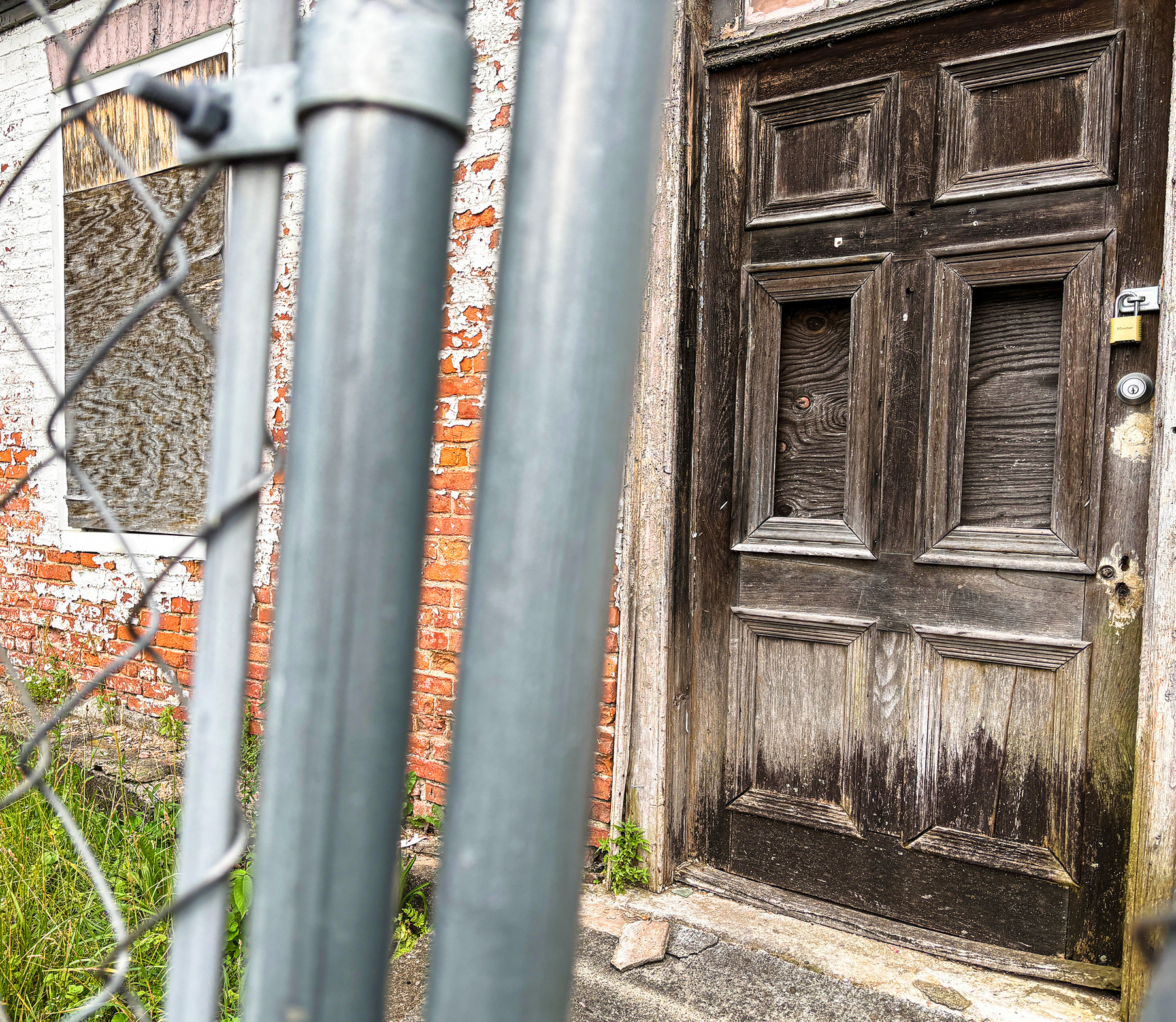
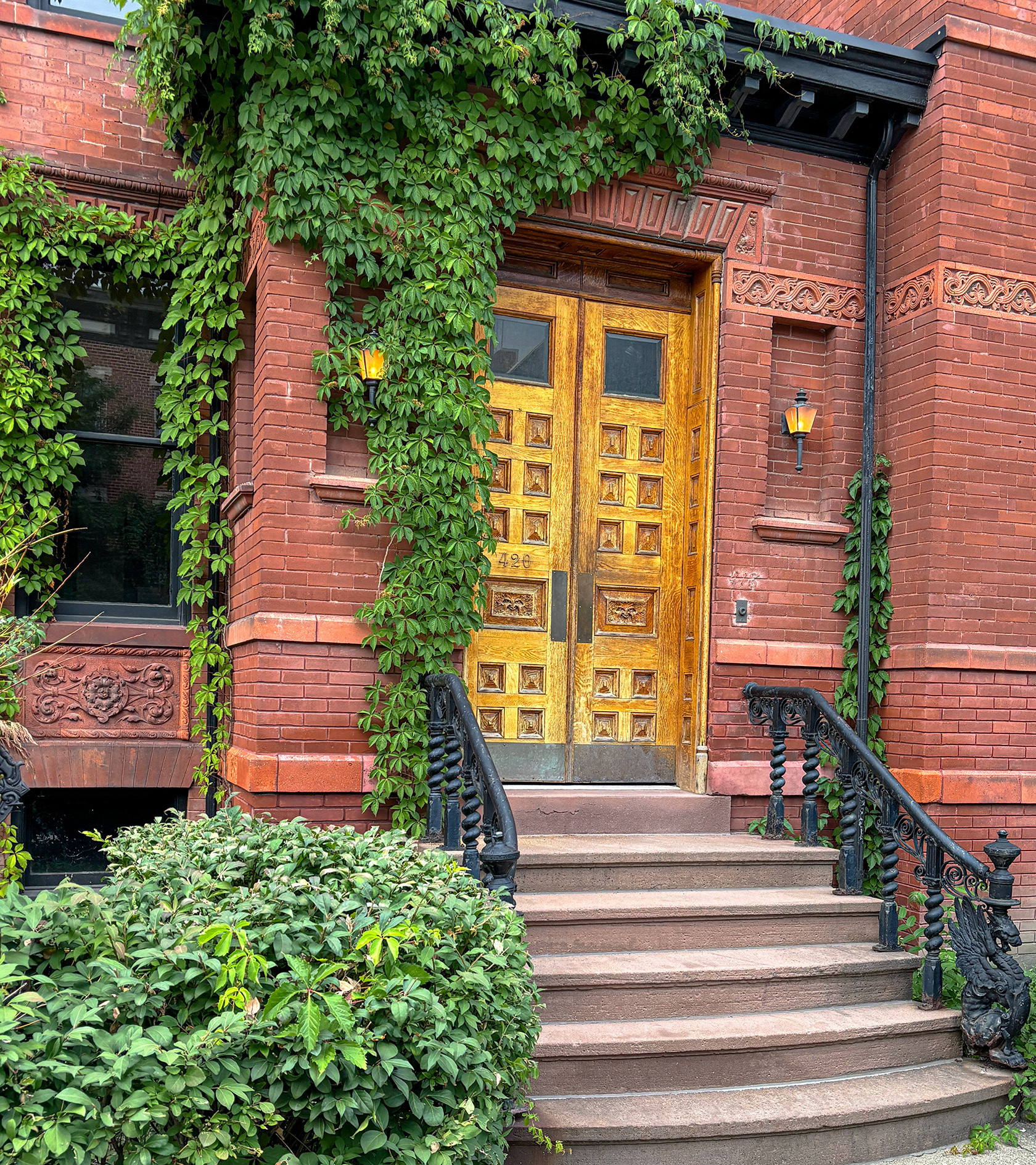
Our vacation in Hudson is coming to an end. It went by faster than I imagined, and I slept more than I thought I was capable of - more than 7 hours a night so far. Back to noisy NYC tomorrow.
More doors of Hudson 📷



Two more targets of opportunity with the iPhone. Hudson, NY 📷
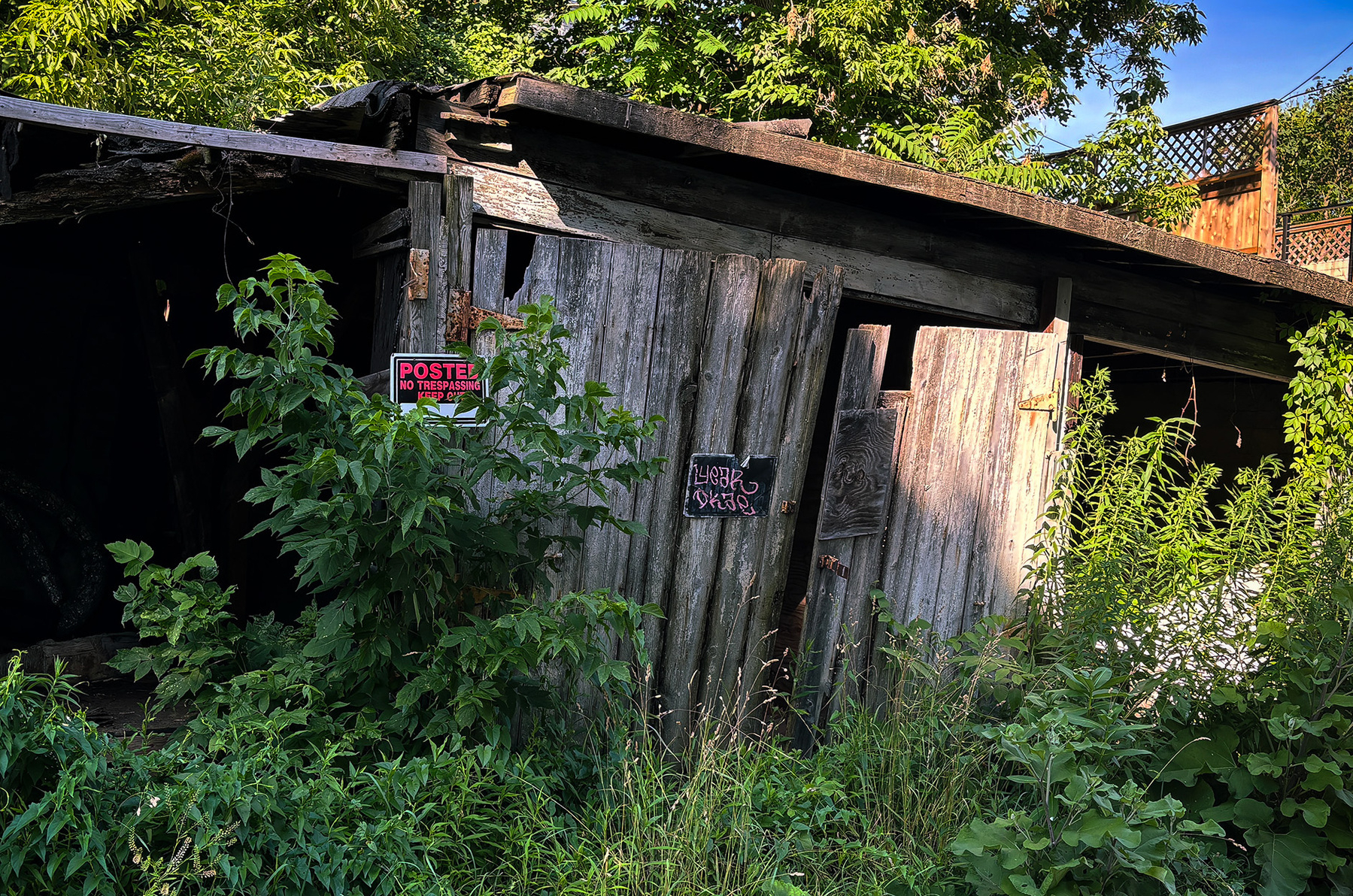
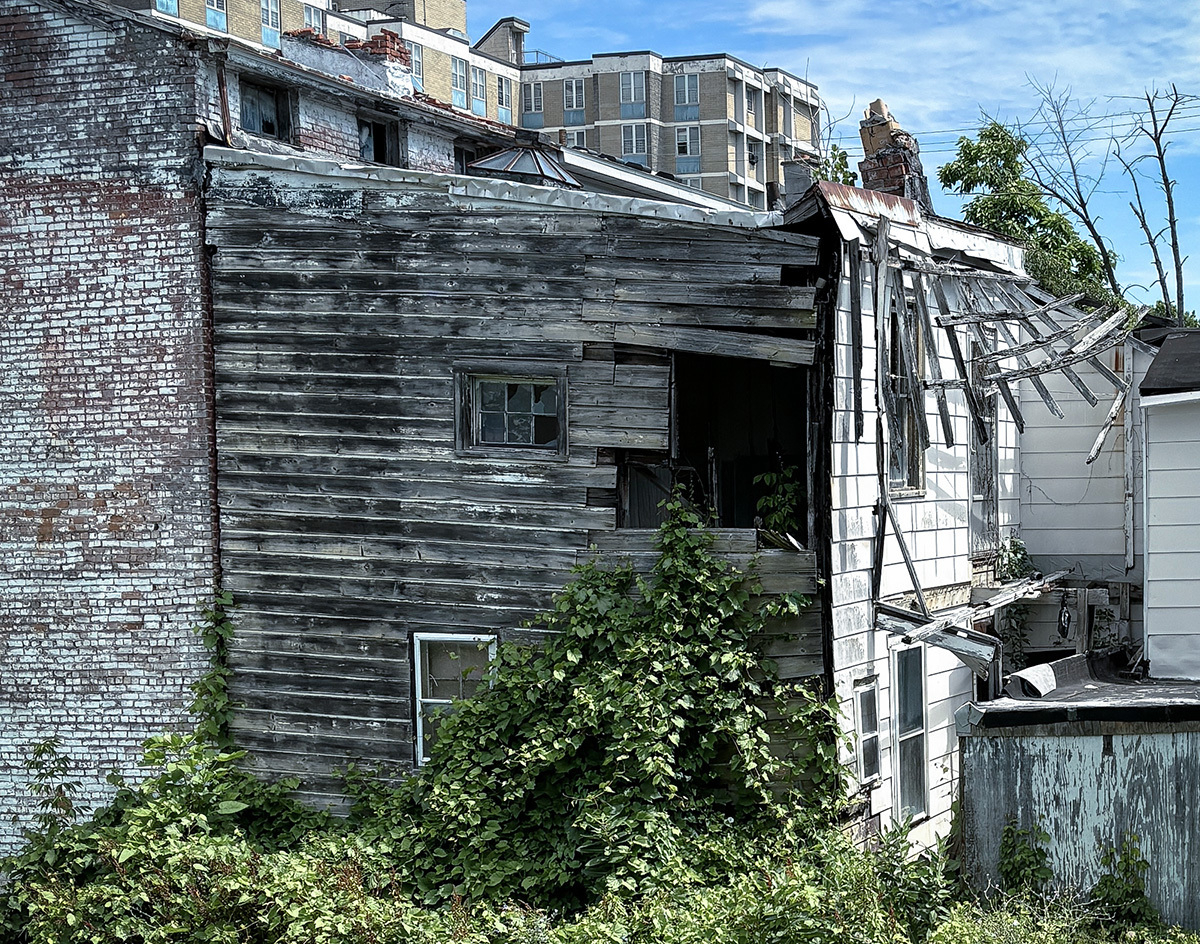
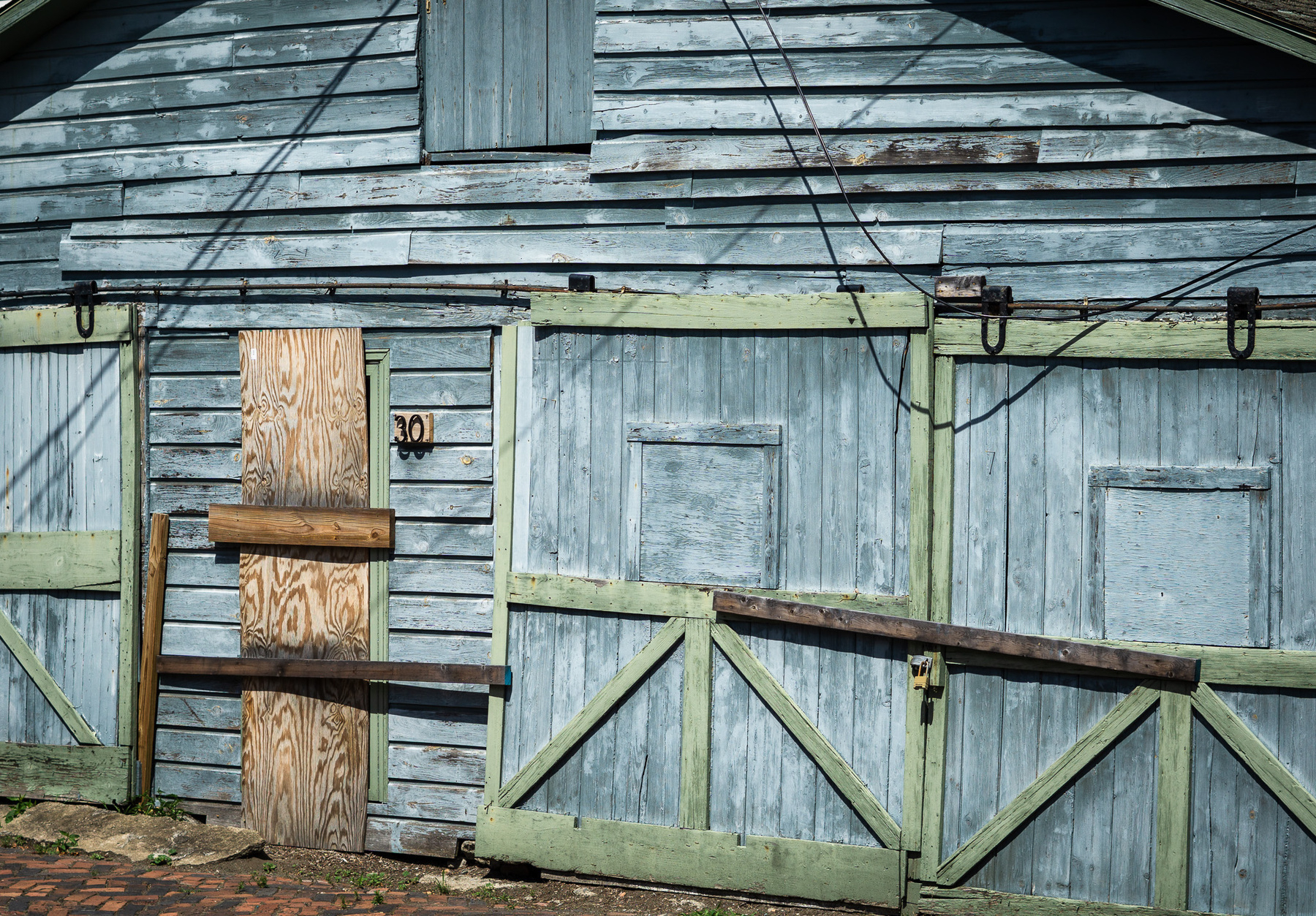
One of the things that immediately captured my eye were some of the houses and their doors, specifically. Here are some pictures from my first round with my camera. 📷



www.wsj.com/lifestyle/workplace/the-jiggle-is-up-bosses-bust-workers-who-fake-computer-activity-b6374f22?mod=djem10point wsj.com
I don’t know what’s more ridiculous: people’s attempts to fake work or their companies’ attempts to crack down on this behavior with various malicious surveillance software. Between these two, something is very wrong with our work culture.
The share of companies using some kind of electronic worker-surveillance system surged during the pandemic, reaching nearly 50% in 2023, according to a survey of nearly 300 medium to large employers by research and advisory firm Gartner.
I’ve been around enough different people to know that abuse exists both ways. I’ve seen people sleeping on the job (literally) or watching YouTube videos for hours when there’s plenty of work. Of course, I also know what spy software looks like on student computers, and the access it has to the students’ privacy brings creepy to new levels (I recently refused to take a test on my own computer because of this).
The world we live in…